
Celebrating Scotland-Japan Connections at the Community Cultural Festival
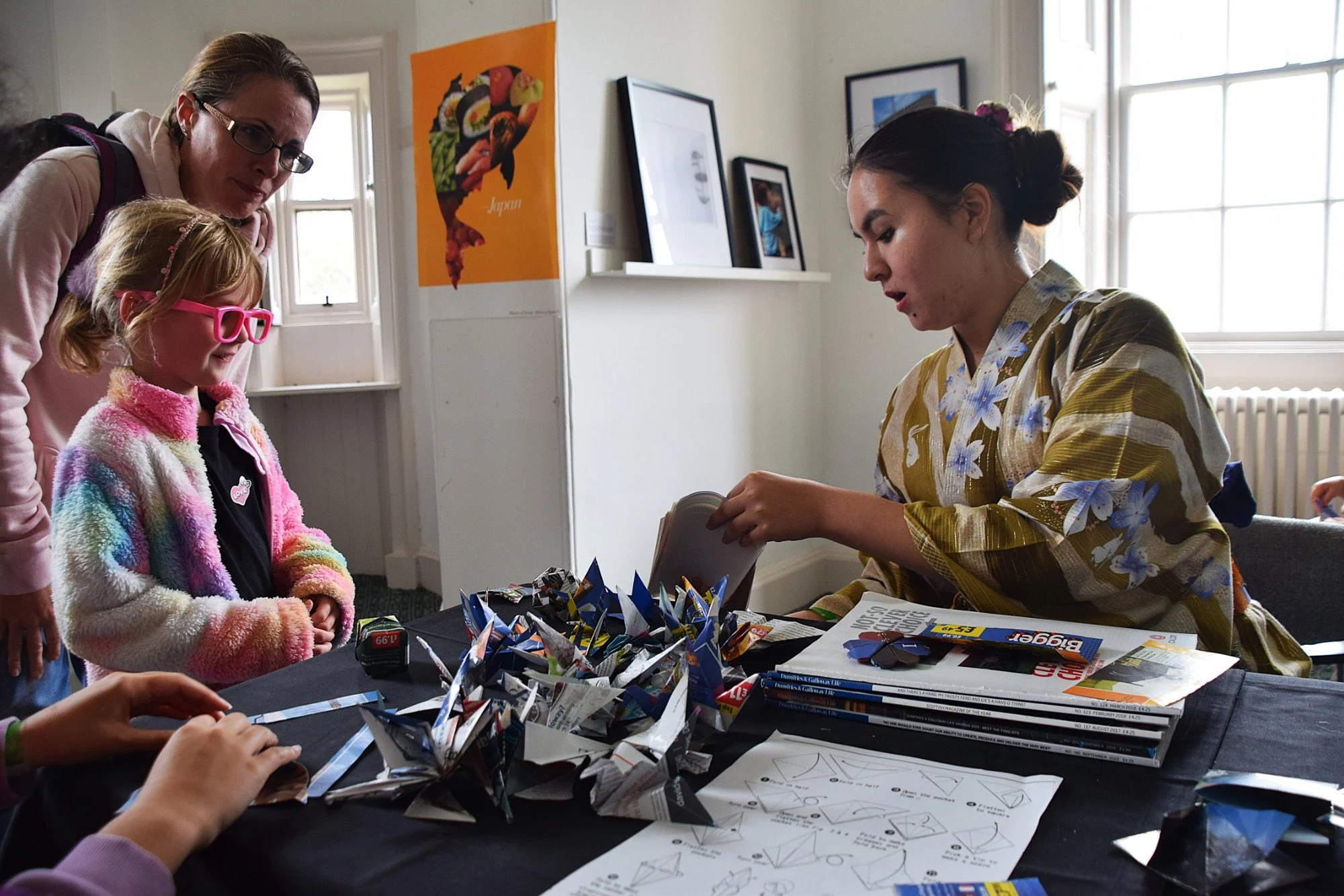
From the 22nd to 24th August, JETAA Scotland held its largest event of the year, the Japan-Scotland Community Cultural Festival, at Shambellie House and the nearby village of New Abbey in Dumfries. JETAA Scotland Chair Zeljka Letica reflects on this remarkable celebration of friendship and shared heritage.
A True Collaboration
The cross-cultural festival was co-organised by Zeljka Letica and Melanie McEwen, former Manager of Shambellie House. The Japanese side of the festival was supported by organisations including CLAIR, The Great Britain Sasakawa Foundation, The Japan Foundation, and the Consulate General of Japan in Edinburgh. Meanwhile, local Scottish businesses Mylar and James Kingan and Sons supported the Scottish side.
Over three days, the festival showcased both Scottish and Japanese traditions through:
Talks and academic presentations
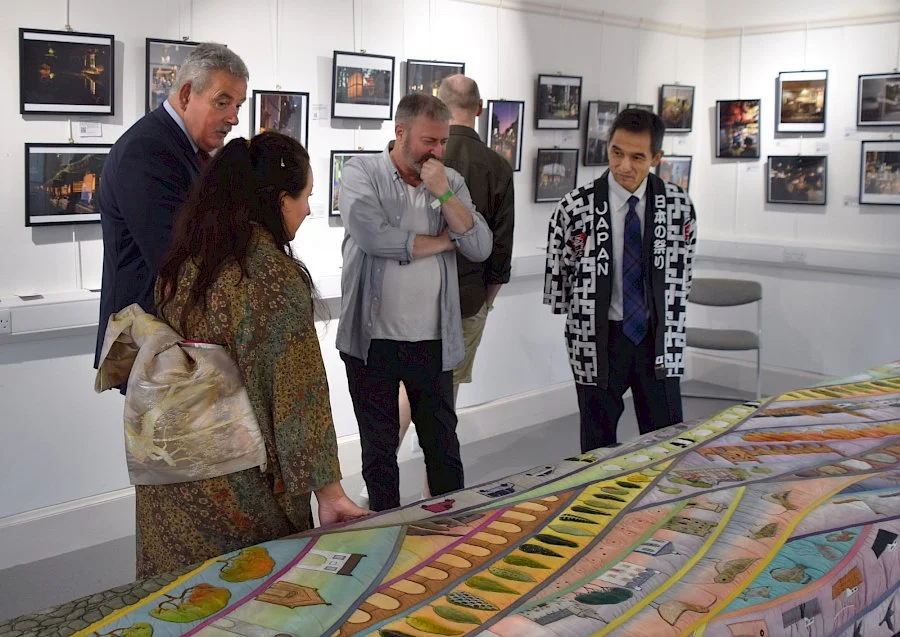
Photography and painting exhibitions
Workshops and demonstrations
Taiko drumming, dance, and music
Storytelling by a local history society
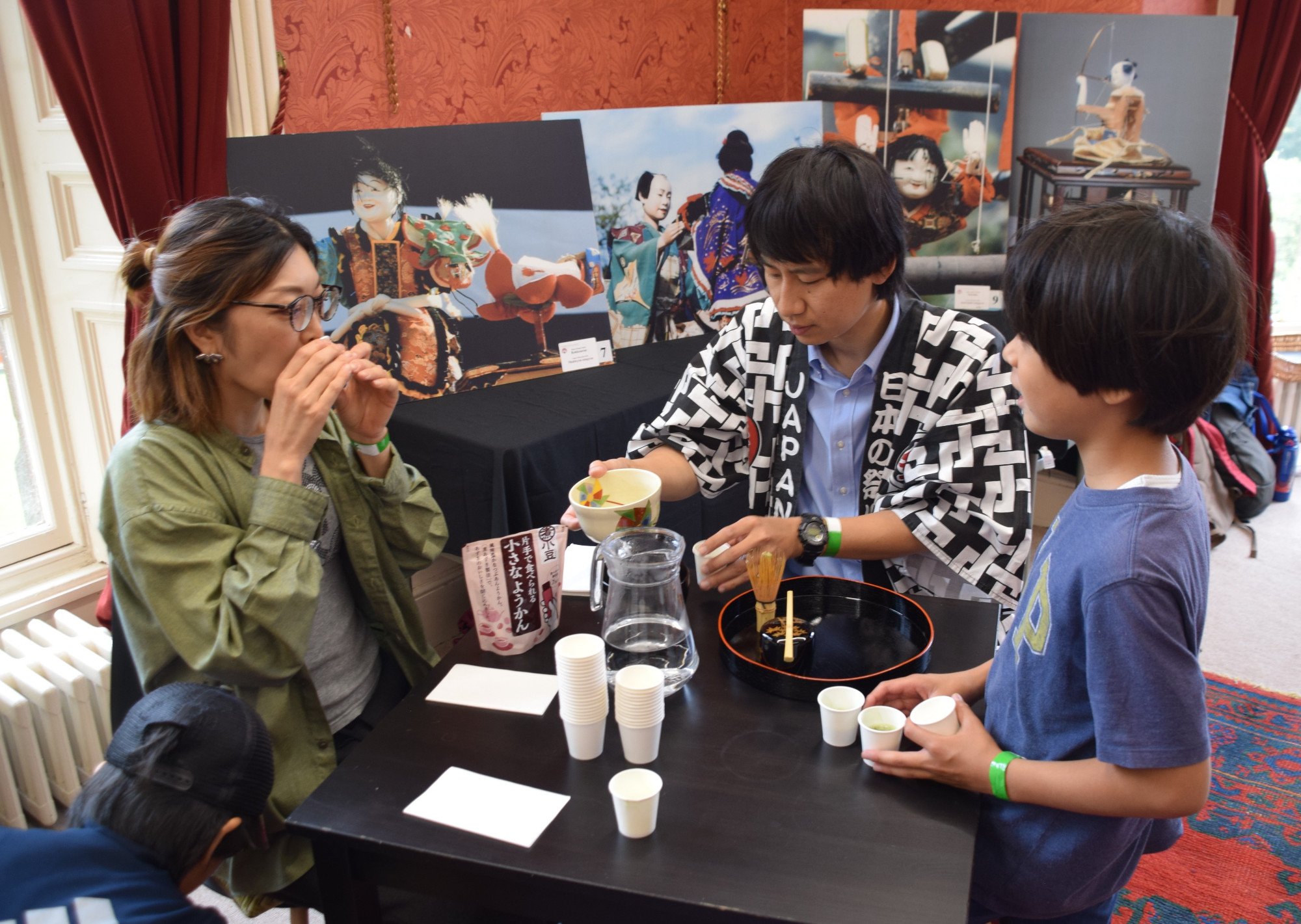
Japanese tea tastings
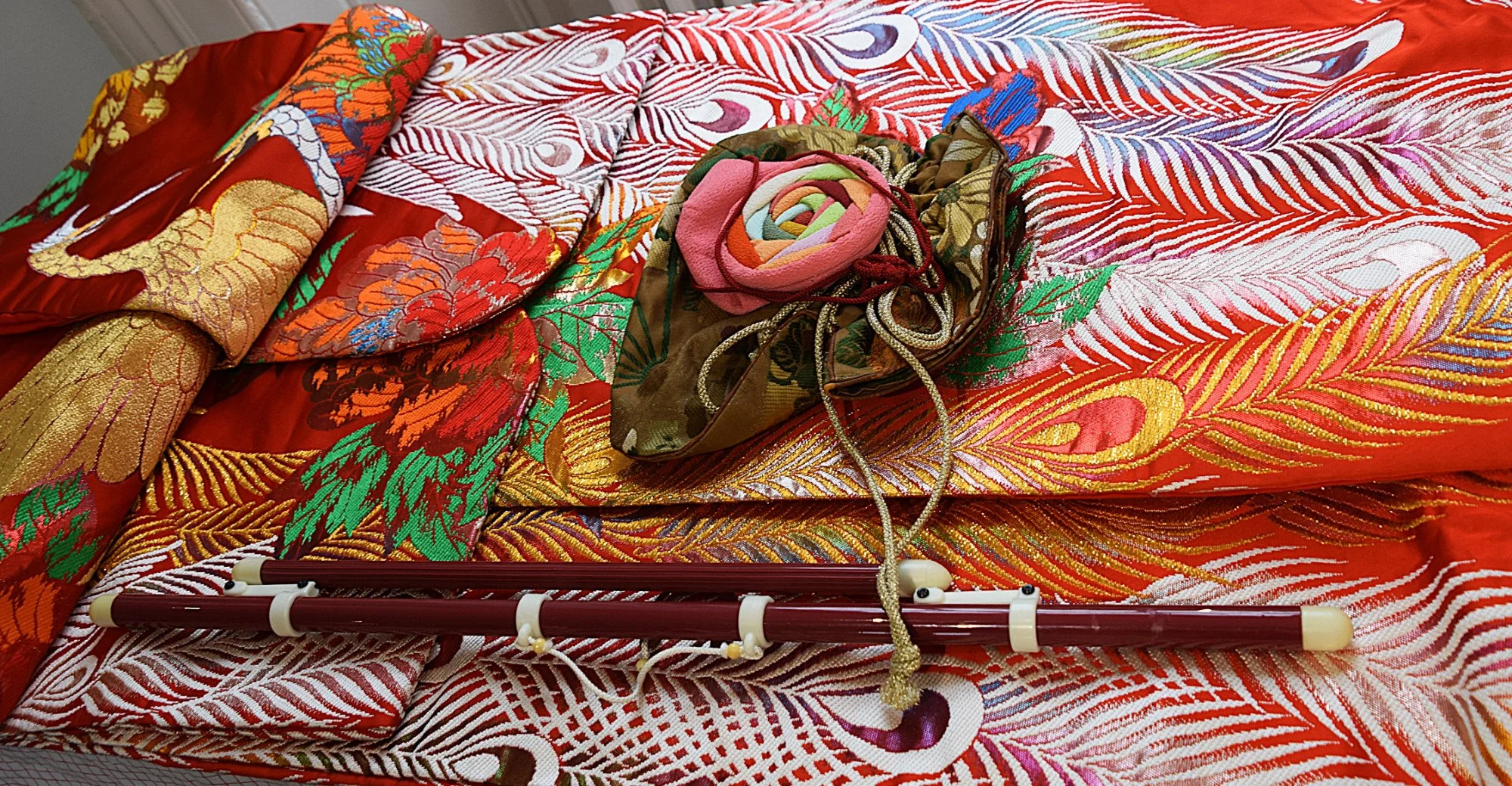
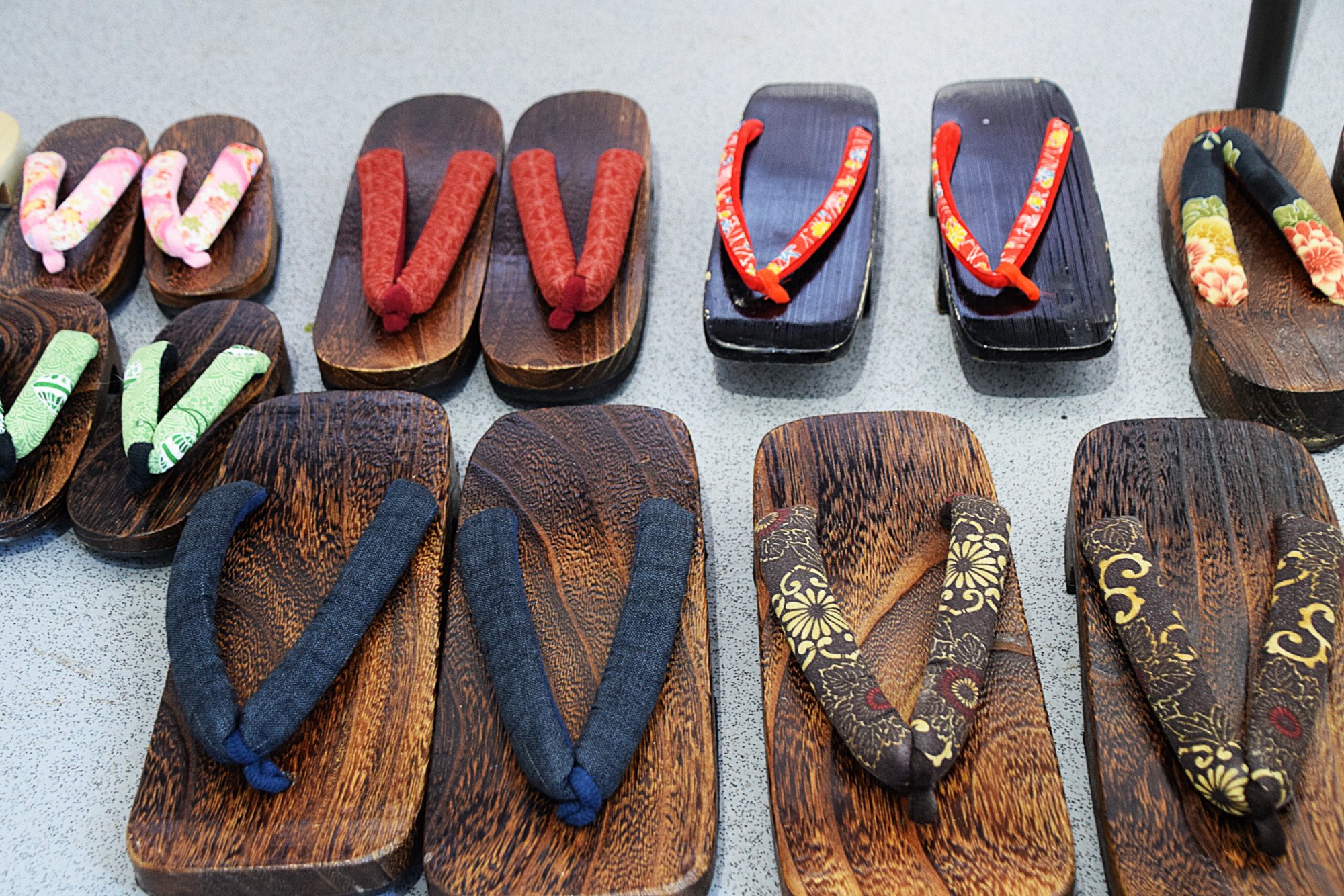
Kimono dressing
Cosplay and manga contests with public voting
Origami, calligraphy, quilting, sashiko stitching, and mindful food tastings
Free access to the New Abbey Corn Mill and Sweetheart Abbey
More than 80 volunteers contributed, including residents from New Abbey, Dumfries and surrounding places, alongside members of Shambellie House and its trustees.
Highlights and Guests
The festival was officially opened on 23rd August by Consul General of Japan Mr Katsutoshi Takeda and Deputy Lieutenant Charles Milroy of Dumfries and Galloway. In his remarks, Major Milroy reflected:
“In a world that seems to split opinion down the middle and pit nation against nation, it is so pleasing to experience first-hand what nations can and should be doing to foster and promote better understanding of who we are and what we are.”
Talks explored the deep ties between Scotland and Japan:
Dr Saeko Yazaki (University of Glasgow)
Dr Helen Parker (University of Edinburgh)
Dr Geoff Goolnik (University of Aberdeen, retired)
Mari Itoh, with Love and Whisky: The Origins of Whisky in Japan
Fraser and Kathlyn Mitchell, who retraced Isabella Bird’s journey through Japan
Among the most popular sessions was the manga presentation and contest, with over 10 children taking part. The youngest winner was just five years old! Prizes included Cass Art gift vouchers and original Uniqlo T-shirts from Nagoya. The cosplay was especially fitting, as Shambellie House once served as a costume museum.
Attendance and Impact
Although 300 adult tickets were sold, total attendance is estimated at 550-800 visitors, thanks to concessions and free entry for children. Proceeds supported Shambellie House, a registered charity serving as a creative learning centre. Visitors and volunteers alike remarked on the event’s welcoming spirit, as Japanese and Scottish participants worked side by side to share traditions, stories, and skills.
A Commitment to Sustainability
Organisers placed strong emphasis on running a sustainable festival:
Encouraging car-sharing and public transport
Providing recycling and compost bins
Using recycled paper for origami and reusing calligraphy supplies
Printing programs and signage on scrap and double-sided paper
Employing recyclable packaging through Sushi City restaurant
Promoting textile recycling through quilting and sashiko stitching
Even transport and accommodation reflected this ethos: volunteers shared rooms, stayed with local families, and some travelled using electric vehicles.
Cultural and Historical Significance
Beyond entertainment, the festival carried a deeper meaning. This year marked 80 years since the bombing of Hiroshima, and visitors joined in folding 1,000 origami cranes as a prayer for peace. These cranes will remain at Shambellie House as a permanent exhibit and a symbol of remembrance.
Such festivals are particularly important for regional Scotland, which often sees fewer large-scale cultural events compared to Edinburgh or Glasgow. They not only highlight Japanese traditions but also encourage cross-cultural understanding, community building, and lasting friendships.
Looking Ahead
This was JETAA Scotland’s second festival in the Dumfries region, following the inaugural event in 2023. Since then, collaboration between organisers, local communities, and cultural partners has grown stronger, creating a foundation for the festival to flourish in years to come.
Feedback has been overwhelmingly positive, with many attendees already offering to volunteer at the next festival. This year’s gathering was more than a cultural showcase - it was a reminder of the enduring ties between Scotland and Japan, and the power of community in celebrating shared heritage.