
27 May 2026
JETAA News
27th May 2026
From Akita JET to Japanese Wine Writer: A Conversation with Nick Rowan
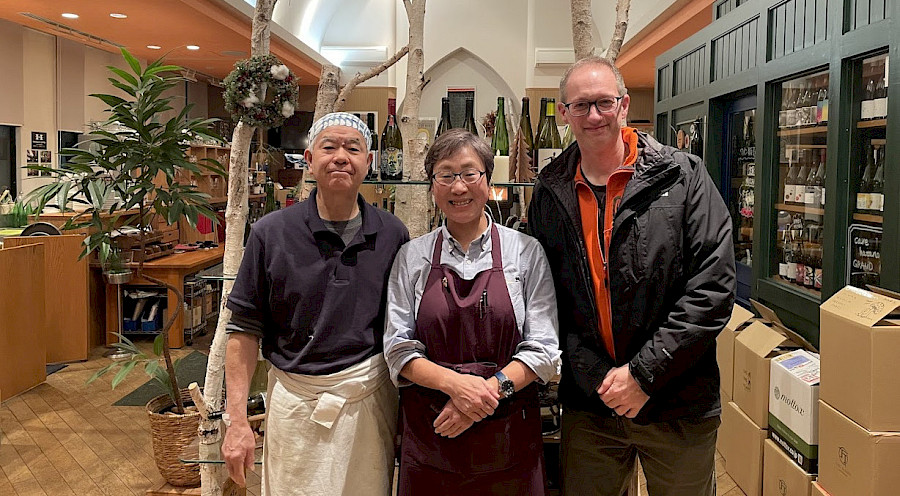
When Nick Rowan (@winefogg) first arrived in Japan as a JET Programme participant in the late 1990s, he never imagined it would eventually lead to writing a 438-page guide to Japanese wine.
Originally from Northern Ireland, Nick was placed in Akita Prefecture, where he had his first taste of Japanese wine. More than two decades later, his experiences living in rural Japan, continue to shape his life and work.
Now based in the UK, Nick recently published Japanese Wine: History, Regions, Wineries (and Cheese), an extensive English-language guide to Japan’s growing wine industry. We spoke to him about his time on JET, regional Japan, and how an unexpected interest turned into a major project.
What originally motivated you to apply for the JET Programme?
I was attending graduate recruitment events during my final year at university because they often had complimentary drinks and snacks. “Japan” on one event listing caught my eye, and although there was no food in the end, the JET Programme sounded fascinating enough that I applied anyway. I had a loose connection to Japan through childhood interests like origami and karate, but I knew very little beyond that.
What do you remember most strongly about your time in Akita?
The sense of discovery. This was before smartphones and social media, so we spent a lot of time exploring, both locally and across Japan. I hitchhiked around Honshu, Kyushu and Shikoku, and constantly found myself stumbling across places, people and experiences I never would have expected. I also had time to really immerse myself in hobbies and local life. I improved my Japanese, learned piano, continued karate, and even joined an aikido group that local residents restarted after hearing I was interested in trying it.
How did your interest in Japanese wine begin?
I first tried Japanese wine during my time on JET in the late 1990s, although I can’t say I was immediately converted. But after returning to the UK in 2001, I became more interested in wine generally and started studying through the Wine & Spirit Education Trust while writing about lesser-known wine regions in Europe. Eventually, I realised Japan’s wine industry was still relatively unknown internationally, despite how much care and creativity existed within it.
Why did you decide to write a book about Japanese wine specifically?
When I started planning winery visits in Japan in 2022, I realised there was very little accessible information available in English. There were Japanese-language resources, but many assumed readers already understood the regions, producers or wine culture. I wanted to create the kind of guide I would have loved to have myself; something practical and rooted in travel and cultural context, not just tasting notes. In many ways, I approached the book almost like a Lonely Planet guide for Japanese wine.
How important were the Japanese language skills you developed on JET?
They helped enormously. Even when using translation tools during research, knowing Japanese meant I could quickly spot inaccuracies or missing nuance. It also helped me understand how people communicate indirectly, or what information was being implied rather than explicitly stated. Beyond the language itself, living in Japan gives you a sense of rhythm and context that’s difficult to replicate otherwise.
Did living in rural Akita shape your appreciation for regional Japan?
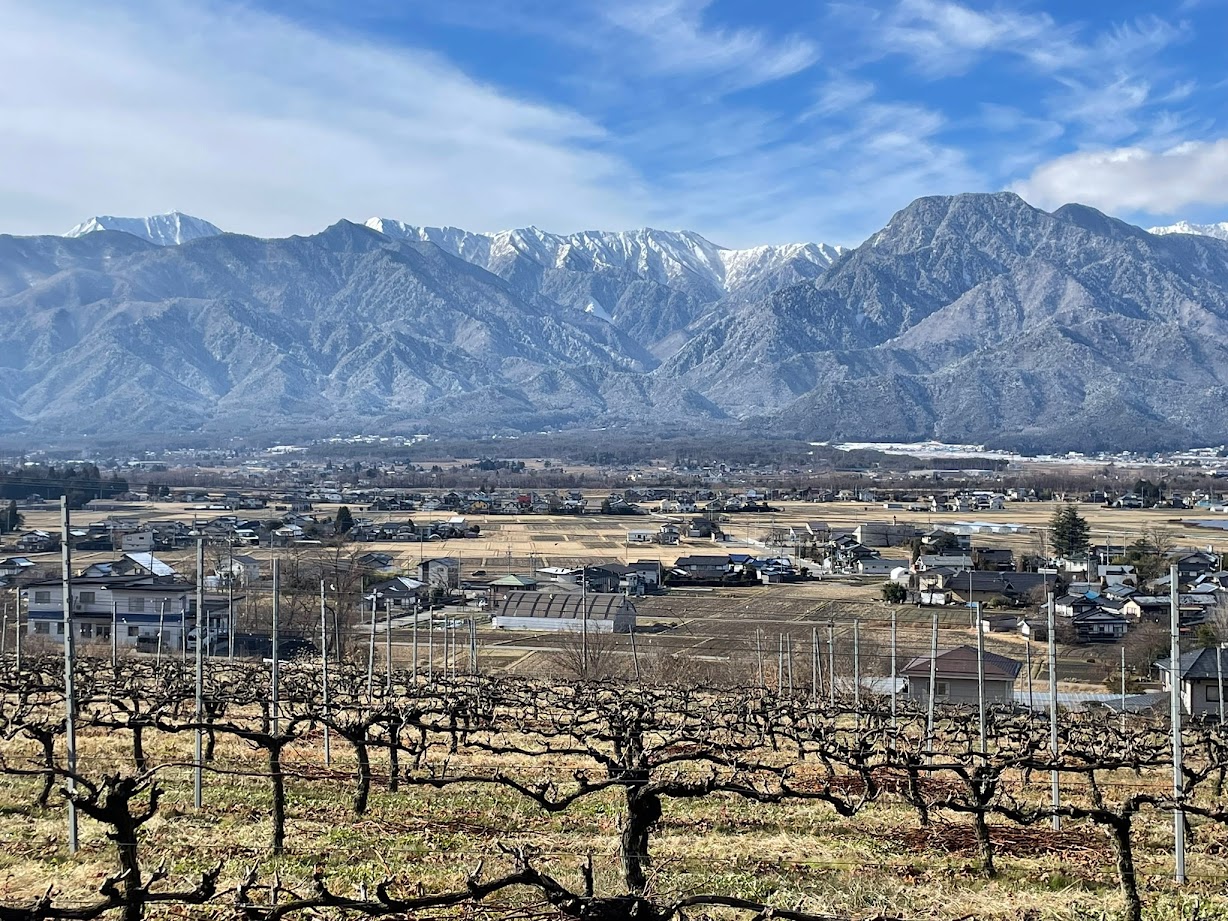
Definitely. I’ve always preferred rural places to large cities, and my time in Akita really reinforced that. Even now, when I visit Japan, I tend to leave Tokyo as quickly as possible and spend more time in places like Nagano or Hokkaido. Some of my favourite memories while researching the book were staying with small producers, chatting in local wine bars, or learning directly from winemakers in rural communities. Those experiences feel much more personal and memorable to me.
Your book highlights some of the challenges facing Japanese winemakers. What stood out most during your research?
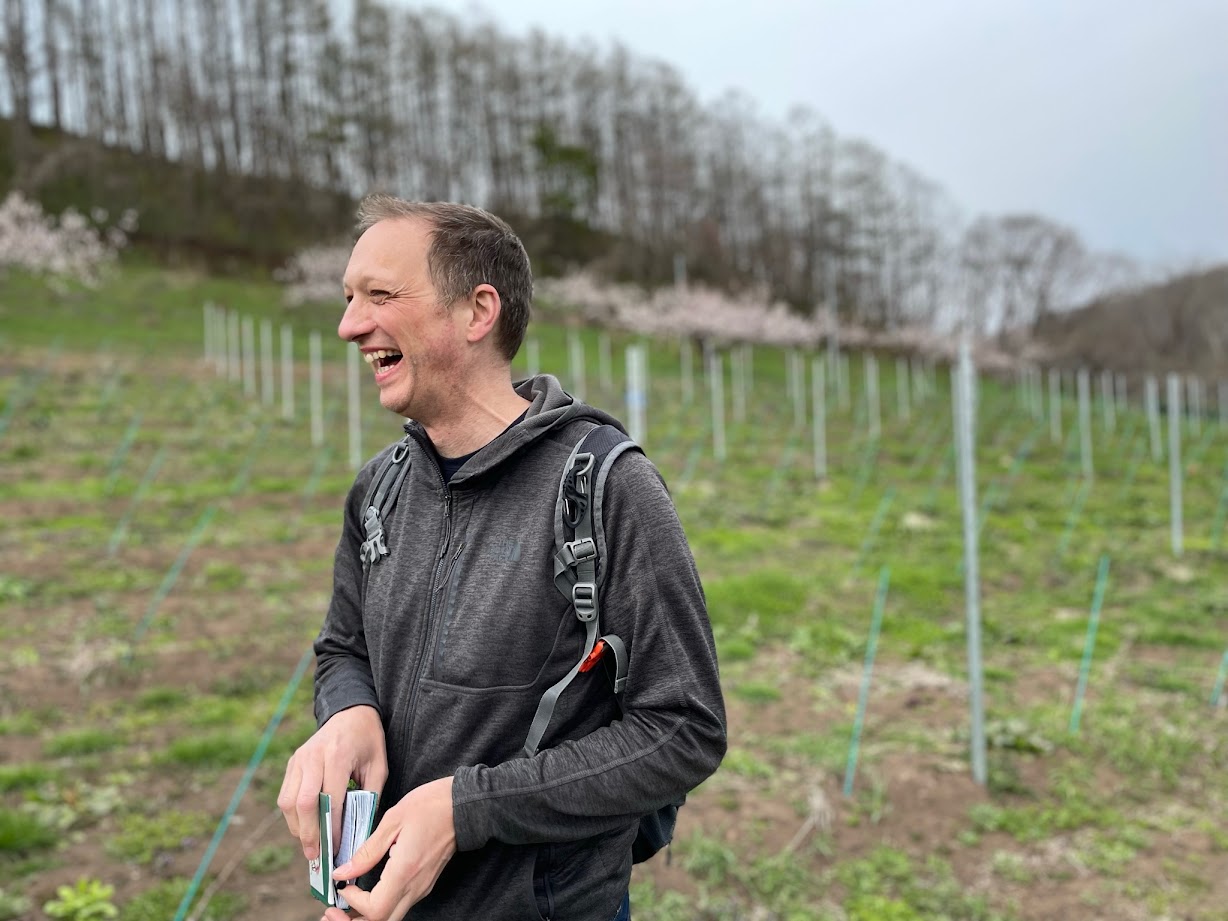
I was struck by how resilient producers have to be. Japan’s climate can be extremely challenging for viticulture. There’s heavy rain, humidity, typhoons, earthquakes and snowfall. Some growers protect individual grape bunches using paper covers called kasa, while in snowy regions vines may even be buried during winter. Despite all of that, many producers are creating incredibly thoughtful and distinctive wines.
The JET Programme emphasises grassroots cultural exchange. Do you see your book as part of that mission?
In some ways, yes. I didn’t want the book to be purely technical or aimed only at wine specialists. I wanted to place Japanese wine within the wider context of Japanese culture, history and regional identity, so readers could connect with it more naturally. Living in Japan through JET taught me that cultural understanding often comes through everyday experiences like conversations, local traditions, and food.

Do you think JET alumni are uniquely positioned to tell stories about regional Japan?
JET certainly gives people the opportunity to experience parts of Japan they may never otherwise encounter. Living in regional communities helps you notice details and perspectives that short-term visitors might miss. But ultimately, I think anyone willing to spend enough time listening, exploring and engaging deeply with local communities can tell meaningful stories.
What advice would you give to current JETs or recent alumni?
Stay curious, say yes to things, and spend as much time as possible outside your apartment. When I returned to Japan years later, I was surprised by how much life had moved online. During my time on JET, we were constantly meeting people, travelling, joining local groups and exploring. I’d encourage current JETs to really throw themselves into local communities and travel widely around Japan and Asia while they have the chance. Those experiences stay with you for life.
Finally, what does being a JET alumnus mean to you today?
It was a hugely formative period of my life. When you’re in Japan as a JET, there’s a strong shared sense of being outsiders together, which creates very close bonds. Even decades later, those memories and connections remain important to me. JET changed the direction of my life in ways I never expected. Without it, I honestly don’t think this book would exist.
Share this post