

27 May 2026
JETAA News
27th May 2026
From JET to Executive Search: A Conversation with Yan Sen Lu
Many JET Programme participants find that their time in Japan becomes the starting point for an entirely unexpected career path. For Yan Sen Lu, what began as a desire to reconnect with his Asian roots eventually led to a two-decade career in executive search and recruitment in Japan.
Now based in Yokohama as the founder of Makana Partners, Yan Sen recently published The Hardest Market in the World, an insider’s guide to Japan’s uniquely complex hiring landscape. Drawing on twenty years of experience, the book explores everything from lifetime employment and labour law to bilingual hiring challenges and changing workplace values among younger generations.
We spoke to Yan Sen about his journey from JET participant to recruiter, how Japan’s job market has evolved, and the lessons he believes are most valuable for JET alumni building careers in Japan.
What originally brought you to the JET Programme?
I was born in Shanghai and moved around frequently growing up, living in Hong Kong, Japan, New York and eventually Toronto. After university, I felt a strong desire to reconnect with my Asian roots, which led me to apply for the JET Programme. At the time, I imagined it would be a one- or two-year experience. I never expected I’d still be living in Japan twenty years later.
What impact did your time on JET have on you personally?
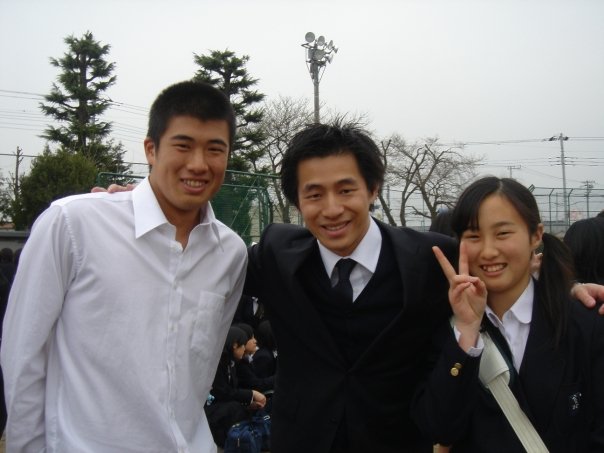
Moving to Japan and teaching elementary and junior high school students pushed me completely outside my comfort zone. One of the biggest lessons I learned was that, regardless of age, nationality or background, people fundamentally want the same things: connection, belonging and community.
In my first year, I was probably too strict with my students, but by my second year I became more relaxed and built much stronger relationships with them. That experience taught me that kindness often matters more than being “right” when building trust with people.
How did you transition from teaching into executive search and recruitment?
Twenty years ago, changing careers in Japan was much more difficult than it is today. At a JET Programme career fair, I attended a session about moving from English teaching into recruitment. It stood out because recruitment didn’t necessarily require fluent Japanese or highly specialised experience at the entry level.
I had studied psychology and business, and recruiting appealed to me because it’s fundamentally about understanding people – what motivates them, what organisations need, and how to align the two successfully.
Your book is called The Hardest Market in the World. Why is hiring in Japan so uniquely challenging?
Japan’s hiring market operates very differently from many Western economies. In countries with higher unemployment, recruitment is often about filtering through a large number of applicants. In Japan, where unemployment remains extremely low, companies can spend weeks searching and only find one or two viable candidates.
At the same time, there’s intense competition for bilingual professionals, particularly in industries like technology and consulting. Japan also faces demographic challenges, including an aging population and labour shortages in key sectors. It creates an environment where companies have to compete aggressively for talent rather than assuming candidates will come to them.

Have attitudes toward work in Japan changed over the past two decades?
Absolutely. The traditional idea of lifetime employment has weakened significantly, especially among younger generations. Millennials and Gen Z professionals are increasingly prioritising flexibility, autonomy and work-life balance over prestige or job security.
Many younger professionals are freelancing, starting businesses, or pursuing less conventional career paths because they no longer believe a single employer can guarantee long-term stability. That shift is changing how companies need to think about recruitment and retention.
What are some common misunderstandings foreign companies have about hiring in Japan?
A lot of companies assume that offering a high salary or prestigious title will automatically attract strong candidates. But in Japan, candidates often place enormous importance on company stability, reputation and long-term trustworthiness. This is one reason why startups entering the Japanese market sometimes struggle to recruit effectively, even when compensation is competitive. Understanding cultural expectations around work is essential.
Do you think your JET experience helped you understand Japanese workplaces more deeply?
JET gave me an early understanding of Japanese communication styles, workplace culture and relationship-building. Those soft skills became incredibly valuable later in my career. Living and working in regional Japan also helped me develop patience, adaptability and empathy – all of which are important in recruitment and executive search.
What motivated you to write the book?
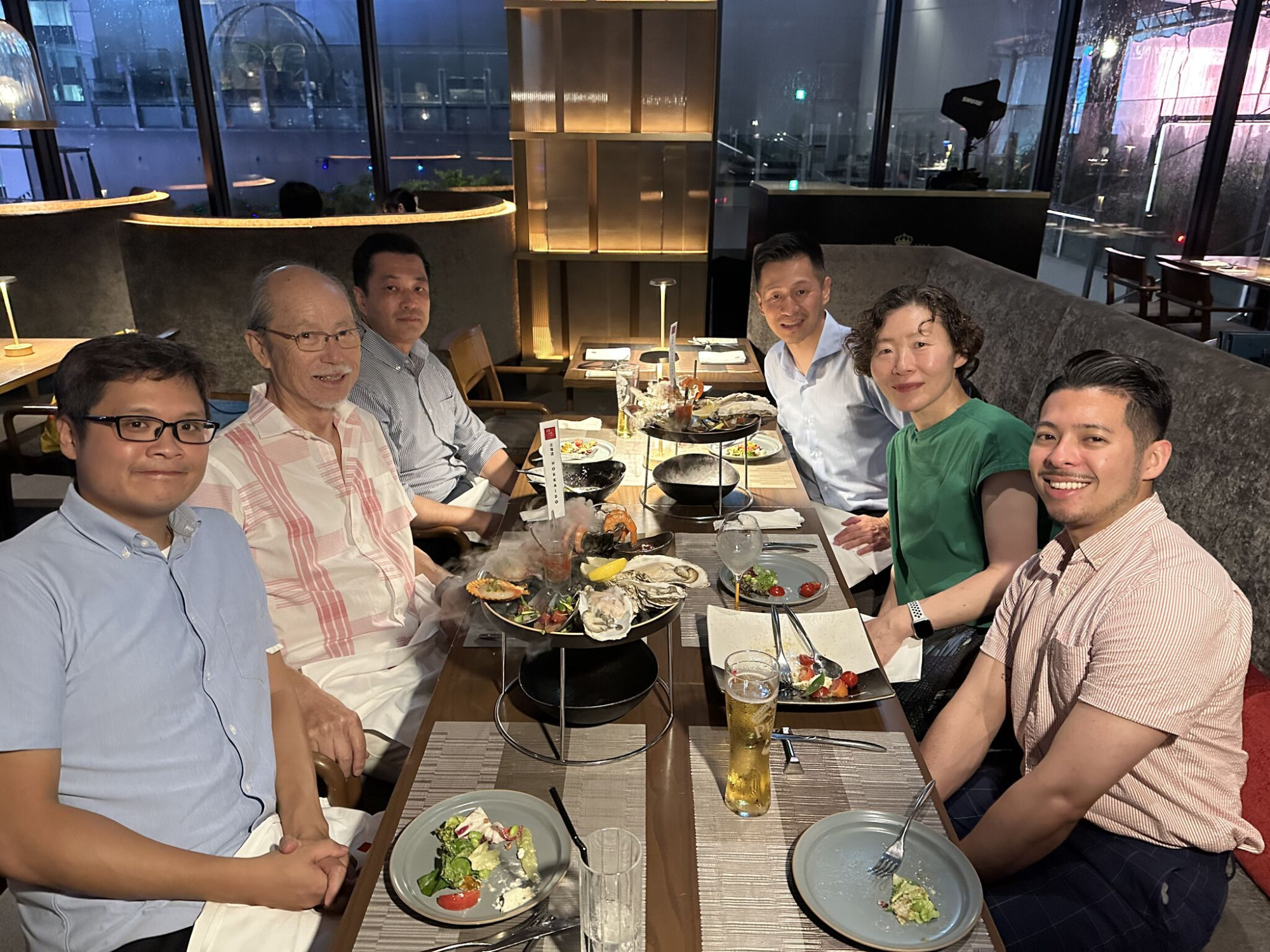
Through my work, I can only help a limited number of companies and professionals directly each year. I wanted to create something that shared the broader lessons I’ve learned over two decades in Japan’s hiring market, particularly because so many foreign companies struggle to understand why strategies that work elsewhere often fail here. My hope is that the book helps organisations think more carefully about talent, culture and long-term hiring strategy in Japan.
What advice would you give to current JETs or recent alumni hoping to build careers in Japan?
The most successful JET alumni I’ve seen are usually the ones who committed early to building a long-term future in Japan. Language ability remains incredibly important. Achieving a high level of Japanese proficiency (particularly JLPT N2 or N1) opens many more professional opportunities and gives people much greater flexibility in their careers.
I also think Japan is gradually becoming more open to international professionals, especially for people willing to invest the time and effort to understand the culture and business environment properly.
Looking back now, what does being a JET alumnus mean to you?
JET was the foundation for everything that came afterwards. At the time, I thought I was simply spending a year or two abroad teaching English. Looking back, it completely changed the direction of my life and career in ways I never could have anticipated.
Share this post